

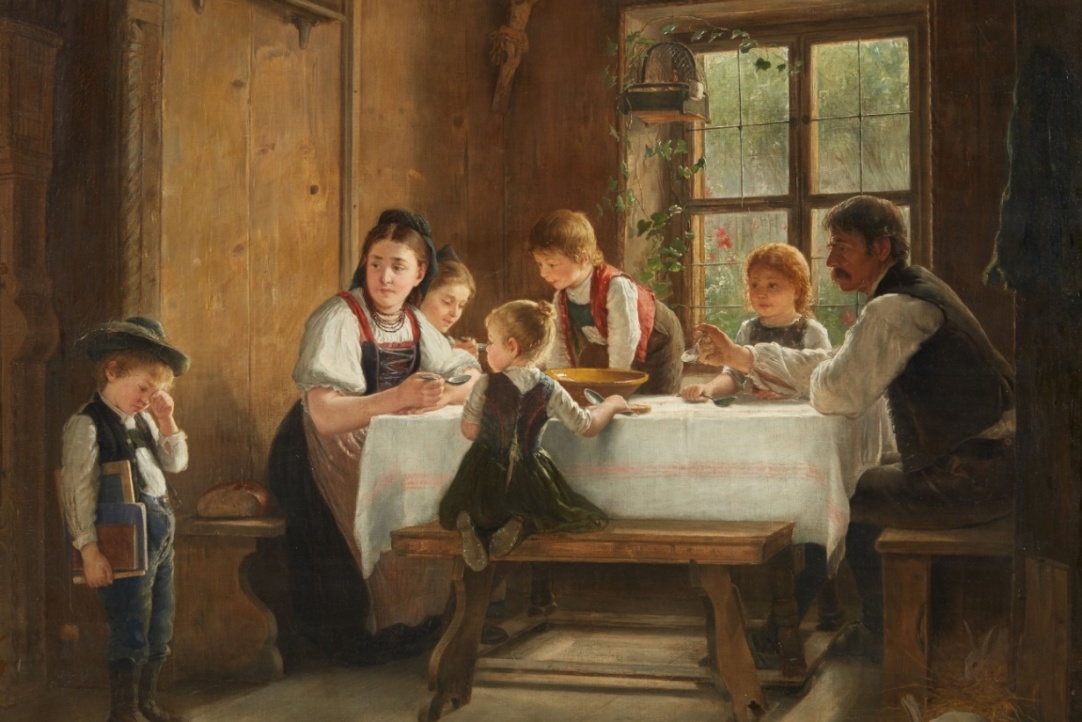
Beyond Normal: How Society Judges Large Families
Couples with three or more children often feel that others judge or refuse to understand them. Their decision to have many children seems to annoy their extended family, neighbours, colleagues, health professionals and government bureaucrats. Very often, other large families are the only one who offer them support. Based on findings from in-depth interviews, HSE researchers describe the effect that social interactions can have on fertility.
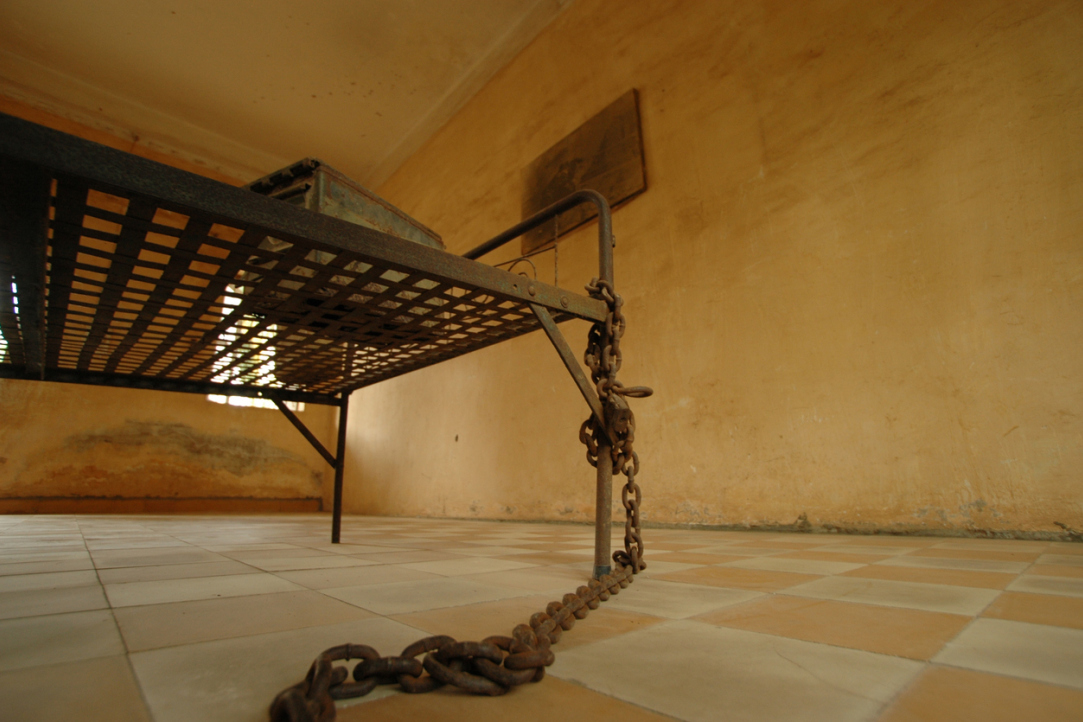
Trapped by a Flexible Schedule: The Pain and Price of Freelance Work
A flexible schedule is one of the main advantages of freelance work. But don’t rejoice in your freedom just yet: self-employment often disrupts the balance between life and work and takes up more time than traditional office work. HSE University researchers Denis Strebkov and Andrey Shevchuk investigated the downsides of independent work.
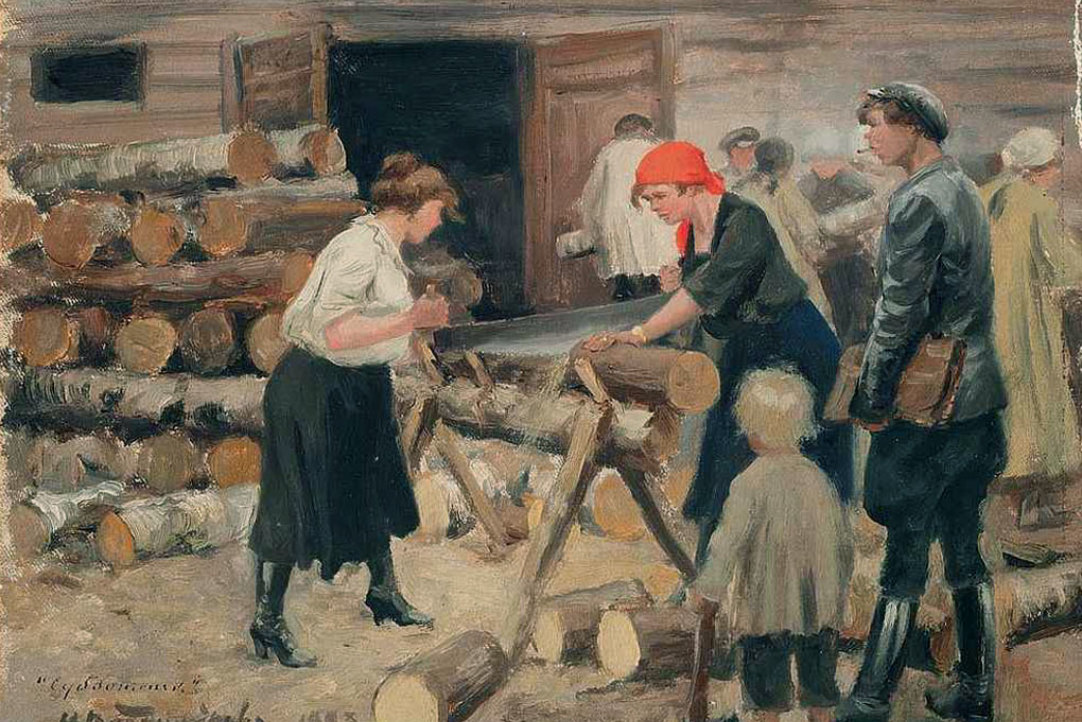
Inherited Altruism: How the Family Supports the Culture of Volunteering
The main channel for transmitting the value of volunteerism in Russia is from parents to children, HSE University researchers have found. Younger generations in families begin helping others as they grow up, following the example set by their elders.

Personality at Work
The way one thinks, feels and acts in certain circumstances can determine career opportunities in terms of employment and pay. For the first time in Russia, Ksenia Rozhkova has examined the effect of personality characteristics on employment.

Returning to Moscow for a Double Degree Programme
Inspired by her exchange experience in Moscow during her undergraduate studies, French student Marion Jacquart decided to do her Master’s at the School for Advanced Studies in the Social Sciences in Paris because it has a double degree agreement with HSE University. As she finishes her programme in Comparative Social Research in Moscow, where she has been based for the last year doing research for her Master’s thesis on feminism, she shared her experience and impressions with the HSE News Service.
.png "Russia’s Middle Class: Who Are Its Members and How Do They Spend Their Money?")
Russia’s Middle Class: Who Are Its Members and How Do They Spend Their Money?
The HSE Centre for Studies of Income and Living Standards studied the dynamics of the middle class and its behaviour with regard to paid services. The study was based on data drawn from the HSE Russian Longitudinal Monitoring Survey (RLMS-HSE) for the years 2000 to 2017, and the results were presented at the 20th April International Academic Conference hosted by HSE.
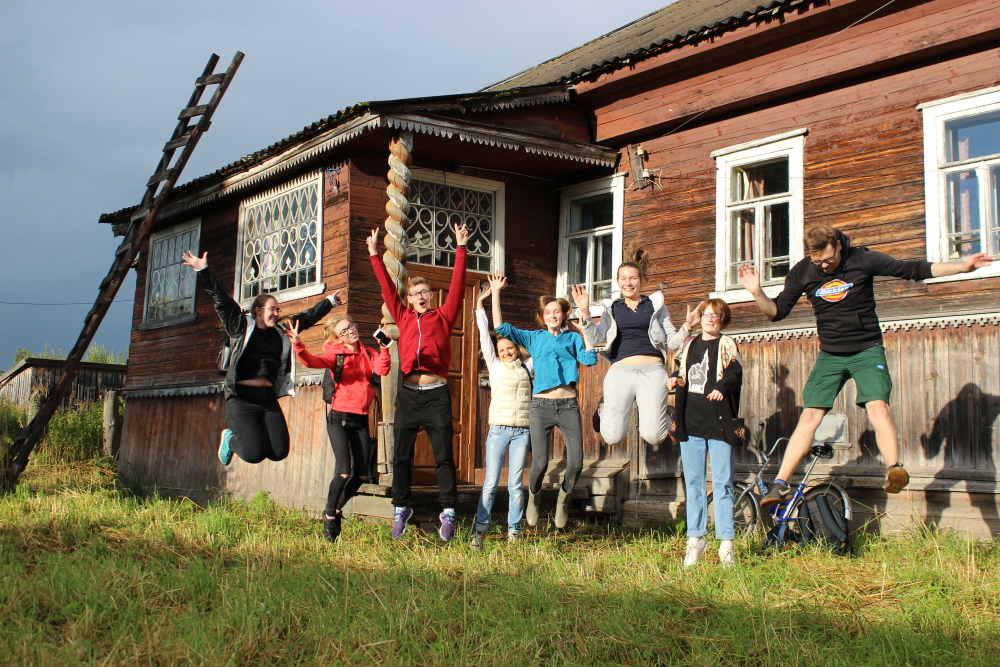
HSE Gears up for Staff and Student Conference: A Look Back at the Faculty of Social Sciences
On March 20, a conference for HSE staff and students will take place at HSE. It will consider the university’s development programme and elect the new Academic Council. The previous conference took place five years ago, in 2014, and the university has changed a lot since then. HSE News Service spoke with some of the university leaders about how their own work at the University has changed over this period.
One among Many: The Sociology of Moving in a Mob
Anyone moving in a large crowd, absorbed in their phone and yet avoiding collisions, follows certain laws that they themselves create. The movement of individuals as a condition for the movement of masses is the subject of a recent study by Dr. Andrey Korbut.

How Gender Inequality Is Reproduced on Social Media
Researchers from Higher School of Economics analyzed 62 million public posts on the most popular Russian social networking site VK and found that both men and women mention sons more often than daughters. They also found that posts featuring sons receive 1.5 times more likes. The results have been published in the Proceedings of the National Academy of Sciences of the United States of America.

The Keepers of the Ruble
Post-Soviet life and the economic ups and downs of recent years have changed the attitude of Russians towards saving. Now, it is not the less fortunate who save, but the more intelligent, according to Elena Berdysheva and Regina Romanova. Or, more to the point, it’s the more intelligent women: domestic finances are usually dealt with by females. At HSE’s recent XIX April International Academic Conference, researchers explained how Russians adjusted and optimized family budgets following the crisis of 2014-2017 and how this relates to gender issues.