


People Spend 1/6th of their Lifetime on Enhancing Their Appearance
An international team including HSE researchers has conducted the largest ever cross-cultural study of appearance-enhancing behaviours. They have found that people worldwide spend an average of four hours a day on enhancing their beauty. Caring for one's appearance does not depend on gender, and older people worry as much about looking their best as the young do. The strongest predictor of attractiveness-enhancing behaviours appears to be social media usage. The study findings have been published in Evolution and Human Behaviour.
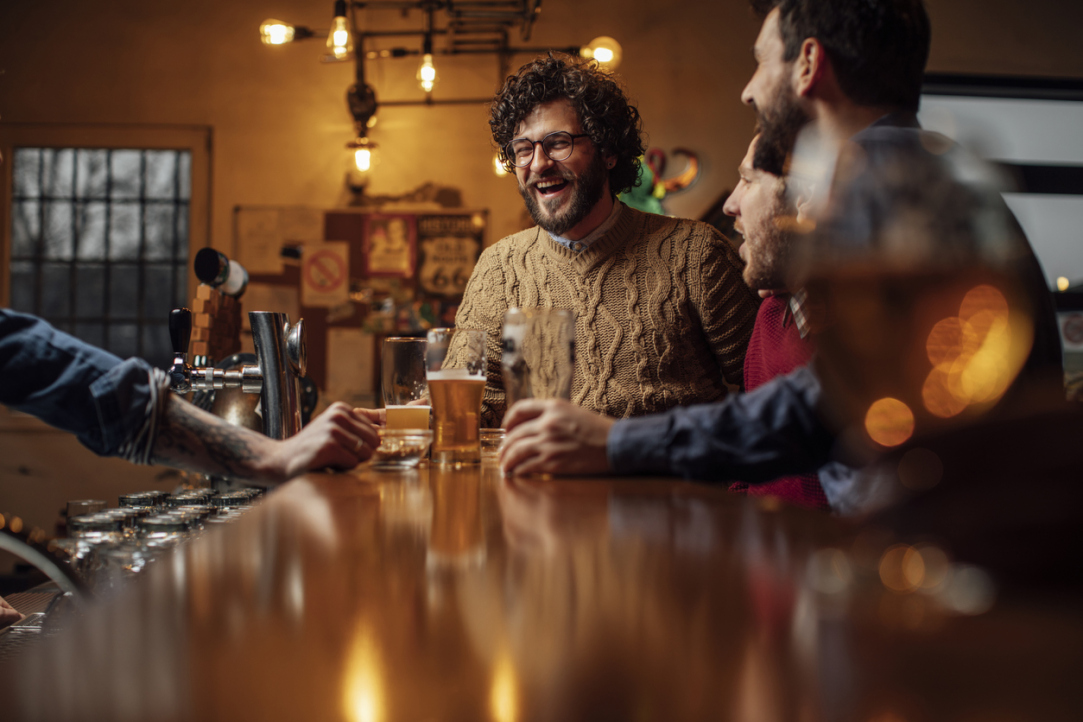
Alcohol Consumption by Young Russians Drops by Half, Study Says
Sociologist Valeria Kondratenko used data from the Russian Longitudinal Monitoring Survey-HSE (RLMS-HSE) to demonstrate that the percentage of young Russians aged 14 to 22 who consume alcohol decreased by 2.3 times from 62.1% to 26.9% between 2006 and 2019. This paper also explores the correlation between the alcohol consumption habits of children and those of their parents. A paper with the findings of this study has been published in the Bulletin of RLMS–HSE.
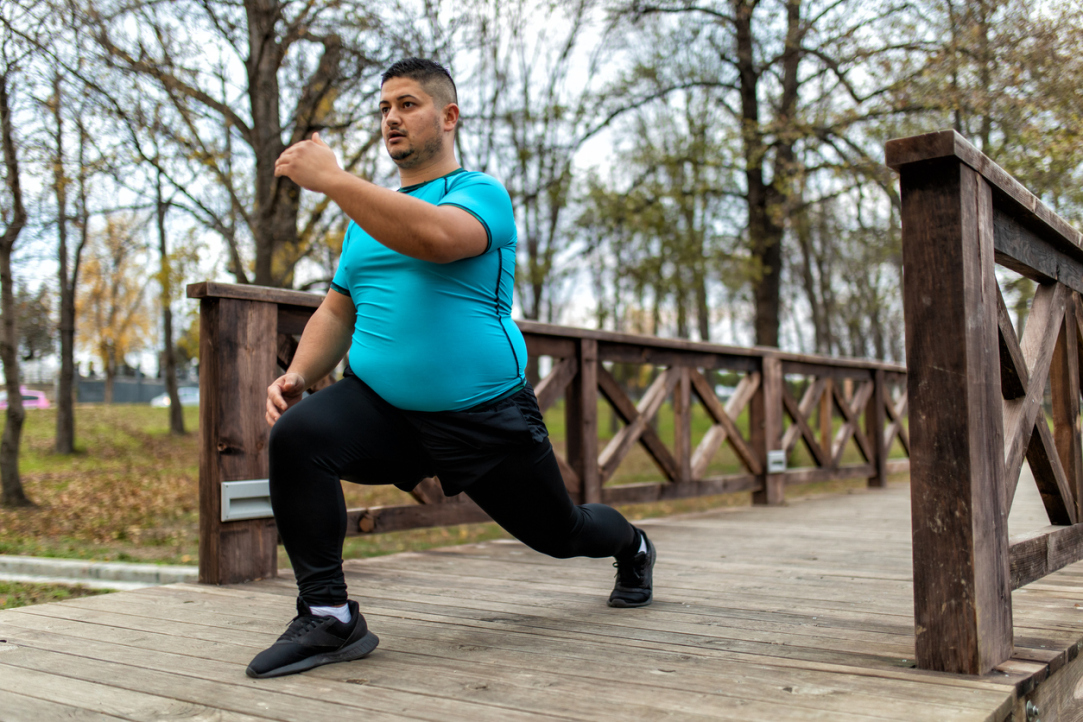
Obesity in Men Associated with Individualism, Study Finds
Researchers of the HSE Laboratory for Comparative Social Research (LCSR), jointly with colleagues from research centres in Germany, Australia and China, examined the relationship between national variations in obesity rates and cultural dimensions. The associations they found were tested empirically through analyses conducted across 51 countries worldwide. Individualism appears to be associated with a higher prevalence of obesity, but only in the male population. The study findings have been published in Social Science & Medicine.

Helping Others Improves the Lives and Psychological Well-being of Russians
HSE Researcher Ekaterina Nastina has found that the more often Russians help others (whether loved ones or strangers), the more satisfied they are with their lives. However, if a person is over 50 years of age or if values of social justice are important to him or her, helping family and friends has no significant influence on his or her psychological well-being. On the other hand, pro-social, altruistic behaviour towards strangers is equally beneficial to people of all ages and beliefs. A total of 757 respondents took part in the study. An article containing the results was published in the Sociological Journal.

Incompatible Alternatives: HSE Researchers on the Ambivalence of Power in the Twenty-first Century Economy
Ambivalence and a combination of contradictory principles are vividly manifested in the actions of government, its individual agents and institutions, as well as the everyday practices of economic subjects and citizens. The participants of the HSE Laboratory for Studies in Economic Sociology seminar discussed the book The Ambivalence of Power in the Twenty-First Century Economy: Cases from Russia and Beyond, recently published in the UK. Prepared by researchers from HSE University and foreign universities, the book focuses on the study of ambivalence in Russia and beyond.

People Are Reluctant to See Anthropomorphic Robot Assistants
Researchers from HSE University studied the perception of social robots (robots that are able to communicate with people and assist them with various needs) in everyday situations. They studied the perception of such factors as the robots’ appearance, speech, interaction situations, as well as the respondents’ characteristics. The scholars found that androids are more desirable in various situations than humanoids (robots that only vaguely resemble humans).

Satanism, According to Science: How Sociology Explains the Worship of Dark Forces
The concept of Satanism originating from Roman Catholic sources continues to lack a rigorous social science interpretation. Satanism is sometimes believed to be a reflection of real-life problems faced by society and is sometimes considered a phenomenon in its own right that merits serious study. HSE doctoral student Oxana Mikhailova provides an overview of how the concept of Satanism is treated by different sociological theories and offers her commentary.

HSE Researcher Reveals Work Values Held by New Generation of Undergraduates
A large-scale study carried out by Anita Poplavskaya, postgraduate student at the HSE Faculty of Social Sciences’ Department of Economic Sociology, on a sample of 5,000 undergraduates at eight regional universities in Russia reveals the students' prevalent work values. The top five include high pay, interest in one's work, job security, skills match, and career prospects.

'We Construct a Portrait of Russian Society'
HSE is presenting A Society of Unequal Opportunities: The Social Structure of Modern Russia, a new book whose authors use an original model to paint a collective portrait of Russians in the last decade. IQ.HSE asked Svetlana Mareeva, co-author of the monograph and Director of the HSE Institute of Social Policy’s Centre for Stratification Studies, about the highlights and trends discussed in the book and whether they tend to change in particularly challenging times.

Media Portraits of High-Achieving Women
Women who have made it to the top in business often look back to analyse what has helped — or hindered — their advancement in this highly gendered environment. Shared through mass media, their reflections can provide helpful guidance to other aspiring businesswomen on what it takes to succeed. HSE sociologists have examined relevant media discourse and identified ten key factors of women's business leadership.